
Today many businesses have already understood the importance of E-commerce and have implemented digitization strategies and implemented new digital channels and even, in the best case, an omnichannel approach. But in today’s competitive world, especially when it comes to E-commerce, effective customer database management is crucial to drive sales, generate leads and grow your customer base.

To generate more sales for an e-commerce platform, leveraging customer data to create personalized marketing campaigns can make a significant difference. Understanding customer preferences allows for targeted promotions that resonate with specific segments, leading to increased conversion rates. Similarly, a well-managed customer database can help identify potential leads for cross-selling and up-selling opportunities. By nurturing relationships and gathering consent, businesses can introduce customers to new products effectively. However, expanding the customer database is essential for long-term growth. This involves attracting new customers through strategic marketing and referral programs while ensuring data quality and compliance.
The first challenge in managing a customer database is obtaining customer consent. It’s crucial that customers willingly provide consent for data collection and marketing communications. This can be achieved by clearly communicating the value they will receive in return, such as exclusive offers or useful content. The second challenge is ensuring the accuracy and reliability of the data collected. Maintaining a clean and accurate database is vital for effective marketing. This requires regular data audits and updates to correct errors and remove duplicates.
Ensuring data security is another significant challenge. Protecting customer data from breaches and unauthorized access is paramount. Implementing robust security measures and compliance with data protection regulations builds trust and prevents legal issues. Navigating the complex landscape of data protection laws, such as GDPR, requires a thorough understanding and implementation of compliant data handling practices. This ensures that all customer interactions are legally sound and ethically responsible.
During some of my years at Vorwerk, working at the local markets, the digital teams had dual roles: increasing online sales for accessories and generating new leads for the main products. For accessories and merchandising, we adopted a standard e-commerce approach. We created engaging content and leveraged social media to drive traffic to our website. By running targeted campaigns, we encouraged customers to purchase products online.
Lead generation, particularly for cross-selling, was more complex due to the necessity of obtaining explicit customer consent. We focused on building relationships with customers to encourage them to provide consent for receiving relevant information. We developed a multi-layered strategy to engage customers and qualify leads before passing them to the sales team. It was essential to ask the right questions when offering consent, making sure to specify the types of communications customers would receive, such as marketing emails, text messages, or other online communication channels.

Integrating customer care with consent management should be a significant aspect of your strategy. This approach allows customers to update their preferences, opt-out, and manage their consent through various touchpoints. Defining the right processes and systems to manage customer consents effectively is crucial, especially in an omnichannel strategy where customers interact through multiple channels.
It’s important to understand that customers are willing to give their consent if they feel they will receive something valuable in return. This could be promotions, content, special offers, or other incentives. A well-executed CRM strategy is key to segmenting customers based on their preferences and consent, enabling the creation of specific campaigns for each segment. Timing is also critical. Sending a campaign at the wrong time can undo all the hard work put into customer segmentation. For example, offering a high-ticket product to customers who are still paying off a previous purchase through a loan is unlikely to succeed.
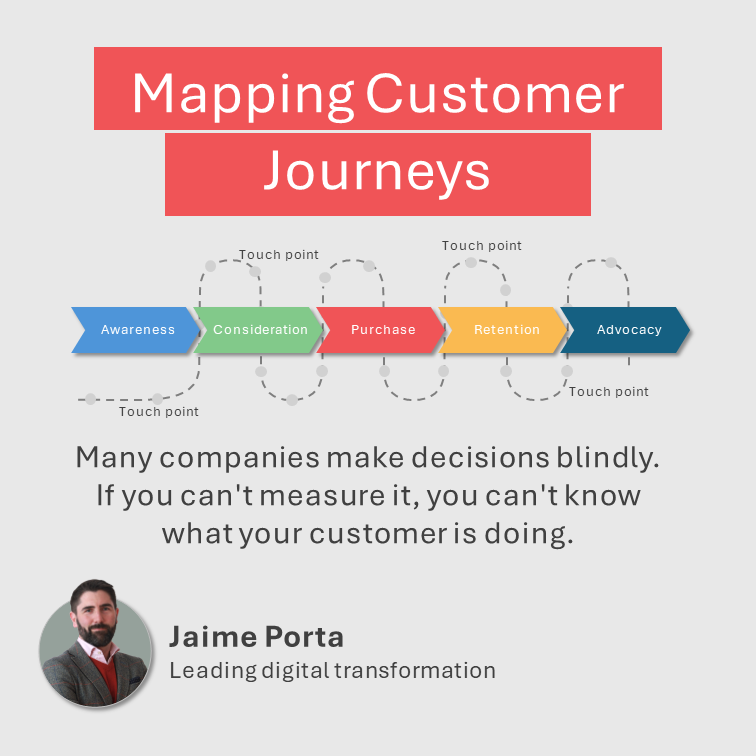
There was a time when it was common wisdom to say that the most profitable customers are old customers. However, this is no longer universally true. While it depends on the business, the most profitable customers can often be new ones who are open to purchasing a wide range of products. Growing your customer database requires a clear strategy, including well-defined customer journeys, compelling content, and attractive promotions. Referral programs can be particularly effective. Asking satisfied customers to recommend your products or services to others can generate more qualified leads. Identifying your promoters through methods like the Net Promoter Score (NPS) and creating loyalty or referral programs can leverage customer satisfaction to expand your database. These qualified leads, referred by existing satisfied customers, tend to be the most valuable.
In conclusion, managing a customer database in e-commerce involves a blend of strategic marketing, robust data management, and compliance with data protection regulations. By focusing on building relationships with customers, gathering and respecting their consent, and implementing a solid CRM strategy, businesses can drive sales, generate leads, and grow their customer base effectively.

 A different view by Jaime Porta
Leave a comment