Author: Jaime Porta
-

From Speed to Precision: My First Friday Reflection
After years in fast-moving direct sales, I entered the world of pharma—where speed takes a back seat to precision. Both industries demand agility, but on very different timelines. This post reflects on how understanding your industry’s rhythm is key to adapting, delivering, and leading effectively.
-

How AI is Reshaping Marketing Strategy and the Traditional Funnel
AI is revolutionizing marketing, replacing the traditional funnel with a dynamic, multi-touchpoint journey. Consumers search, scroll, stream, and shop simultaneously, demanding smarter engagement. AI-powered tools optimize content, predict behavior, and enhance personalization. Brands embracing AI-driven strategies will thrive, leveraging automation, creativity, and data-driven insights for maximum impact in 2025.
-

The Timeless Quality-Price-Time Dilemma: A Guiding Framework for Project Prioritization
The quality-price-time triangle helps set expectations and prioritize projects by balancing three factors: great, fast, or affordable. Clients and colleagues can choose two, guiding realistic decisions that align with strategic goals. This principle fosters transparent conversations, enabling organizations to deliver successful outcomes by clarifying priorities and managing resources effectively.
-

Incentives in Direct Sales
Let’s explore some effective strategies for incentivizing direct sales teams, addressing common challenges like high turnover and inexperience. Key solutions include comprehensive training, fostering a positive work atmosphere, setting realistic goals, and tailoring incentive plans to diverse profiles, ensuring motivation and sustained performance in a dynamic sales environment.
-
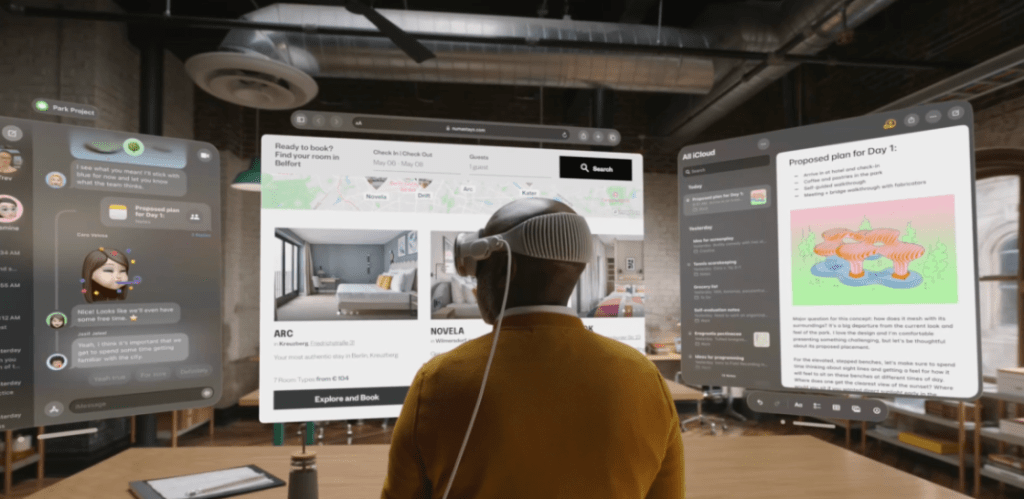
A Journey into Digital Transformation: Trends Shaping 2024
Digital transformation in 2024 is driven by trends such as AI, automation, cloud computing, cybersecurity, edge computing, IoT, industry-specific changes, low-code/no-code development, and remote work. These trends enhance efficiency, security, and innovation, allowing businesses to adapt quickly and remain competitive in a rapidly evolving digital landscape.
-

The IKEA Effect: Why Customer Experience Matters
Explore how IKEA’s unique approach to customer experience, from its immersive store layout to the joy of self-assembly, creates a global phenomenon. Discover insights into its family-friendly atmosphere, the culture of IKEA hacks, and the challenges of integrating digital and omnichannel strategies across diverse markets.
-

Managing a customer database in E-commerce: Strategies for growth and compliance
Effectively managing a customer database in e-commerce boosts sales, generates leads, and grows the customer base. Key strategies include obtaining consent, ensuring data accuracy and security, and complying with regulations. Personal experience at several organizations highlights the importance of personalized marketing, consent management, and strategic CRM implementation.
-

The Role of Gamification in Sales and Marketing
Gamification applies game elements like points and rewards to sales and marketing to boost engagement and productivity. It enhances customer loyalty and motivates sales teams with tailored challenges and recognitions. Successful implementation increases engagement, drives performance, and can transform business outcomes by aligning strategies with broader objectives.
-

Beyond Targets: Nurturing Talent and Fostering Growth in the Modern Workplace
This post delves into the complexities of identifying and incentivizing high performers within an organization. It highlights the importance of creating a supportive atmosphere, rethinking traditional performance reviews with the ROSA analysis, and the critical role of leadership in developing talent, ensuring employees are both recognized and challenged.
-

Predictive Analytics in Sales Strategy: Revolutionizing the Way We Sell
The digital age has revolutionized sales and marketing with predictive analytics, enabling data-driven strategies, personalized customer interactions, and increased profitability. Advanced technologies like big data and AI drive this transformation, enabling real-time analytics and personalized experiences. Companies like Amazon and Netflix have successfully leveraged predictive analytics to redefine their sales strategies, demonstrating its powerful impact.
 A different view by Jaime Porta