Author: Jaime Porta
-

Recipes Reimagined: How AI Is Changing the Way We Cook
AI is transforming how recipes are created, personalized, and used offering a new way to think about cooking at home.
-

Google’s AI Overhaul: Are You Ready for the New Era of Search?
Google’s new AI-powered search transforms how users find information—shifting from keyword-based results to interactive, conversational experiences. This disrupts traditional SEO/SEM strategies, requiring businesses to optimize content not just for users and algorithms, but also for AI. The question now is: is your organization prepared for this transformation?
-

How AI Will Transform the World, Starting With Your Kitchen
Artificial Intelligence is revolutionizing not only how we work, but also how we cook. Businesses like Thermomix will need to adapt as recipes, appliances, and user experiences are redefined by AI.
-

Friday Reflection #2: It’s Not a Competition, It’s a New Capability
AI isn’t here to replace us, it’s here to empower us. The real challenge is learning how to interact with it, write effective prompts, and most importantly, have a clear vision of our goals. In the future of work, success will belong to those who can direct AI with purpose and clarity.
-

The Evolution of Sales in the Digital Era
How digital technology and AI have transformed sales strategies, from manual processes and gut decisions to data-driven, predictive approaches. It highlights the evolution of CRM systems, the role of clean data, and the impact of AI on lead qualification, personalization, campaign creation, and sales performance.
-

From Speed to Precision: My First Friday Reflection
After years in fast-moving direct sales, I entered the world of pharma—where speed takes a back seat to precision. Both industries demand agility, but on very different timelines. This post reflects on how understanding your industry’s rhythm is key to adapting, delivering, and leading effectively.
-

How AI is Reshaping Marketing Strategy and the Traditional Funnel
AI is revolutionizing marketing, replacing the traditional funnel with a dynamic, multi-touchpoint journey. Consumers search, scroll, stream, and shop simultaneously, demanding smarter engagement. AI-powered tools optimize content, predict behavior, and enhance personalization. Brands embracing AI-driven strategies will thrive, leveraging automation, creativity, and data-driven insights for maximum impact in 2025.
-

The Timeless Quality-Price-Time Dilemma: A Guiding Framework for Project Prioritization
The quality-price-time triangle helps set expectations and prioritize projects by balancing three factors: great, fast, or affordable. Clients and colleagues can choose two, guiding realistic decisions that align with strategic goals. This principle fosters transparent conversations, enabling organizations to deliver successful outcomes by clarifying priorities and managing resources effectively.
-

Incentives in Direct Sales
Let’s explore some effective strategies for incentivizing direct sales teams, addressing common challenges like high turnover and inexperience. Key solutions include comprehensive training, fostering a positive work atmosphere, setting realistic goals, and tailoring incentive plans to diverse profiles, ensuring motivation and sustained performance in a dynamic sales environment.
-
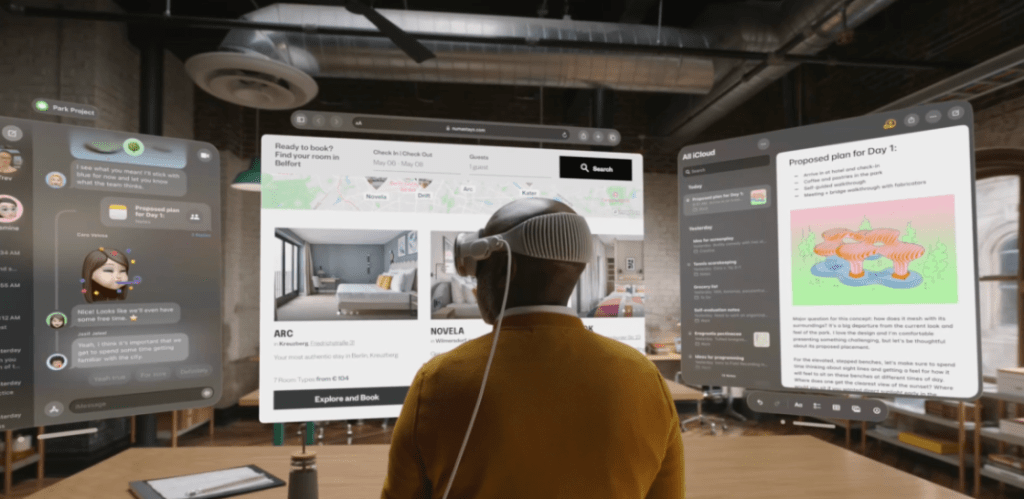
A Journey into Digital Transformation: Trends Shaping 2024
Digital transformation in 2024 is driven by trends such as AI, automation, cloud computing, cybersecurity, edge computing, IoT, industry-specific changes, low-code/no-code development, and remote work. These trends enhance efficiency, security, and innovation, allowing businesses to adapt quickly and remain competitive in a rapidly evolving digital landscape.

