
In the digital age, transformation of small retail businesses is not just an option; it is a necessity. With consumer behavior evolving in favor of online shopping, small and medium-sized enterprises (SMEs) must adopt digital strategies to remain competitive and relevant. Let’s review some ideas on how to leverage digital transformation, with practical solutions and statistics that underscore the importance of this shift.

Enhancing Customer Experience Online
The journey to digital transformation begins with establishing a strong digital presence. A well-designed, SEO-optimized website serves as an online storefront, presenting your brand to the world. Solutions like Wix, Squarespace and Shopify offer easy-to-use platforms for creating professional-looking websites without the need for advanced technical knowledge. These platforms also integrate e-commerce features, emailing campaign creation and some level of customer segmentation, allowing you to move seamlessly from showcasing your brand to selling your products online.
As of 2024, Shopify emerges as a dominant force in the United States, achieving 28.41% market share and operating over 2.8 million sites. Squarespace and Wix follow closely, with 20.51% and 18.28% of the market share, respectively, demonstrating their strong presence in the e-commerce space. Globally, Shopify would have a market share of 11% and WooCommerce would be the most preferred option by users, with a 39% market share.

https://www.yaguara.co/shopify-market-share/
https://www.mobiloud.com/blog/ecommerce-platform-market-share-usa
But optimizing your online store goes beyond having a visually appealing design. It’s about creating an engaging and intuitive shopping experience for your customers. For example, Shopify provides tools for inventory management, payment processing and customer feedback, as well as some automations such as allowing you to send an email if a purchase is not completed, all of which contribute to a seamless user experience. Implementing live chat support through platforms like Zendesk can further personalize the shopping experience by addressing customer queries in real time.

Leveraging the Power of Social Media
With more than 3.6 billion social media users worldwide, platforms like Instagram, Facebook and Twitter are invaluable for marketing your retail business. These platforms allow you to showcase products, share customer testimonials and interact with your audience. Incorporating social media marketing tools like Hootsuite or Buffer can help you manage and analyze your social media campaigns more effectively, ensuring you reach your target audience with the right message at the right time.
The digital landscape in retail continues to evolve rapidly, with global e-commerce sales expected to surpass $6 trillion by 2024. This emergence is driven by a growing consumer shift toward online shopping, a trend that is has accelerated significantly due to advances in technology and changes in purchasing behaviours. Social commerce, or the practice of selling directly through social media platforms, is also on the rise and will triple by 2025. This growth is due in part to high engagement rates on platforms such as Facebook, Instagram and TikTok, where Innovative social networks Marketing strategies and e-commerce functionalities are becoming increasingly integrated.
We need to consider that e-commerce marketplaces like Amazon and Walmart have also significantly contributed to the retail landscape, with U.S. marketplace sales projected to reach significant figures in 2024. These platforms underscore the importance of leveraging multi-channel retailing strategies to broaden market reach and tap into established customer bases.
This dramatic growth in e-commerce underscores the ongoing digital transformation in the retail sector. For small and medium-sized enterprises (SMEs), this represents a crucial opportunity to leverage digital tools and platforms to expand reach, enhance customer experience, and drive growth in an increasingly digital marketplace. The statistics and projections indicate a clear trend towards digital commerce, highlighting the importance for retailers to adapt and innovate continuously to remain competitive in this evolving landscape.
Social media continues to be a significant channel for brands, with 4.74 billion people worldwide active on these platforms. The engagement on these platforms is notably high, with 49.2% of social media users logging on to learn about brands and their products. Global sales through social media were estimated at $992 billion in 2022, highlighting the vast potential for social selling.
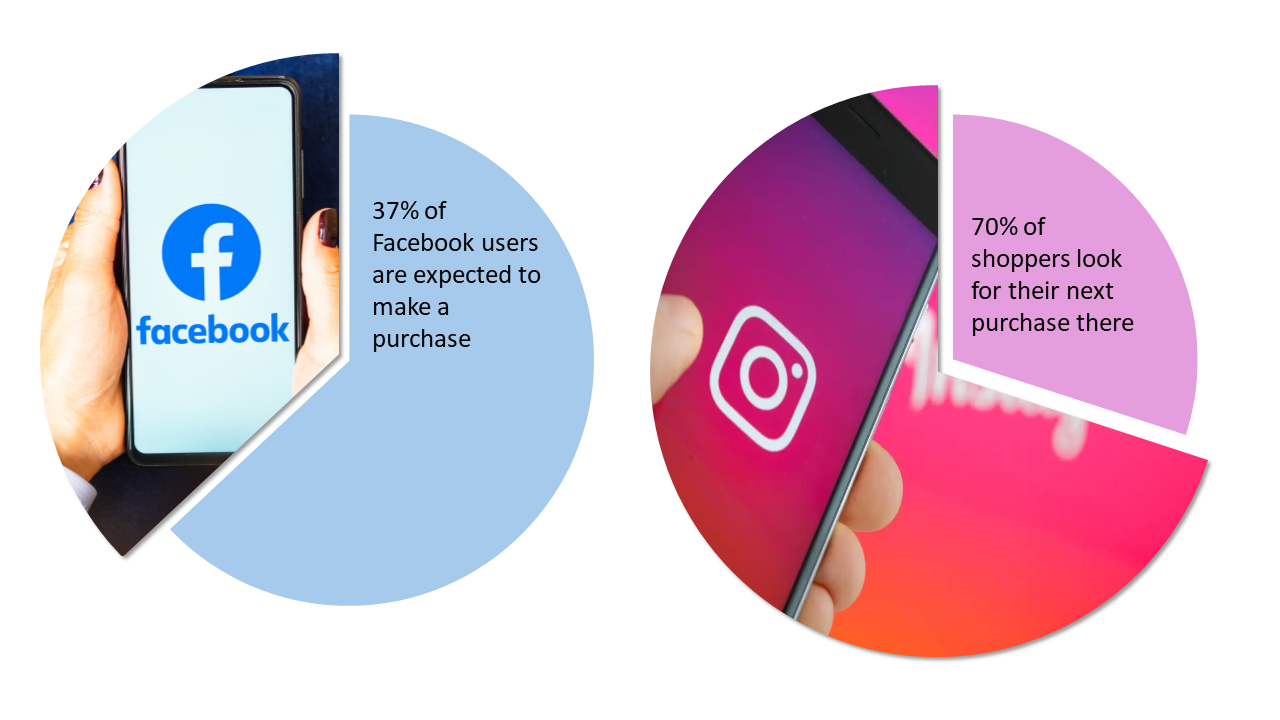
Facebook and Instagram are particularly notable for their roles in social selling. For instance, 62.3% of Instagram users follow or research brands and products, and 54.9% of Facebook users do the same. Moreover, 37% of Facebook users are expected to make a purchase on the platform in 2023, while Instagram boasts that 70% of shoppers look for their next purchase there.
Embracing Omnichannel Retailing with Streamlining Operations with Digital Tools
Adopting digital tools and systems is crucial to streamlining your business operations. HubSpot offers a comprehensive CRM solution that helps manage customer interactions, sales channels and marketing campaigns, providing insights that can drive strategic decision-making. In addition, inventory management software such as Vend can automate inventory level tracking, reducing the risk of overstocking or stock-outs.
In line with all of the above, an omnichannel approach ensures a consistent and cohesive customer experience across all channels, whether online, in-store or through social media. This strategy has been proven to improve customer retention rates: companies with a strong omnichannel strategy retain an average of 89% of their customers, compared to 33% for those with a weak omnichannel strategy (Aberdeen Group). Integrating platforms like Shopify or Magento with your physical store can facilitate this unified experience, enabling real-time inventory updates and a seamless shopping journey.
Key Considerations for a Digital-First Future
The digital landscape is constantly evolving, requiring continuous learning and adaptation on the part of companies. Keeping abreast of new trends, technologies and customer preferences is vital. Regularly reviewing analytics, soliciting customer feedback and benchmarking against competitors can illuminate areas for improvement and innovation. Especially now where AI can bring huge benefits to the small retailer, offering the capabilities needed to compete on a level playing field with large retailers.
But let’s keep in mind that if the adoption of specific digital tools and platforms is critical, it is equally important to focus on broader considerations such as cybersecurity, data protection and fostering an innovative culture. Prioritizing these aspects ensures a secure, compliant and forward-thinking business environment. The platforms being used should be analyzed to be sure that they meet our standards at the security or data protection level. Many of the major platforms provide detailed information and cover these points, which is an advantage for customers who do not have extensive IT knowledge. But it is important to review this when deciding which platform to work with.
The digital transformation of small retail businesses is a multifaceted process that involves the adoption of new technologies, the optimization of online customer experiences and the continuous adaptation to the changing digital landscape, with an eye always on the advances offered by the AI. By leveraging tools like Shopify, Wix, and HubSpot, and adopting strategies like omnichannel retail and social media marketing, SMBs can not only survive, but thrive in today’s digital economy. Remember, the ultimate goal of digital transformation is to improve your overall business strategy, improve customer experience, and drive sustainable growth. Nowadays it is much easier to create and develop a digital business, given the large number of existing solutions and the quality of the product they offer. It only takes one small step and embark on the path of digital transformation.

 A different view by Jaime Porta
Leave a comment